
From Screen to Page: How Movies Turn Kids Into Readers (Ages 8–12)
Updated: Feb 12
Why watching the movie first can build confidence, curiosity, and a lifelong love of reading
Watching a movie together can be a powerful gateway to reading – kids want extra details, missing scenes, and deeper insight that only the book can provide. Starting with a movie lowers resistance, builds confidence, and turns reading into an extension of enjoyment rather than a chore. For many middle graders, this simple screen-to-page connection is the spark that transforms reluctant readers into enthusiastic ones. Following are some great movies to start with.
Book: Matilda by Roald Dahl
Movie: Matilda
The movie makes Matilda’s triumphs instantly satisfying, often leaving kids curious about her thoughts and clever plans. Reading the book lets children experience her intelligence more deeply – reinforcing the idea that books are a source of real power.

Book: Because of Winn-Dixie by Kate DiCamillo
Movie: Because of Winn-Dixie
The movie’s warmth and lovable dog hook kids emotionally. Reading the book allows them to slow down, understand characters more deeply, and discover how stories can help make sense of feelings.

Book: Coraline by Neil Gaiman
Movie: Coraline
The movie’s striking visuals spark curiosity, but the book offers a more personal, empowering experience. Kids who watch first often want to read to feel closer to Coraline’s thoughts and courage.

Book: A Series of Unfortunate Events by Lemony Snicket (Daniel Handler)
Movie: Lemony Snicket's A Series of Unfortunate Events
The movie introduces the humour and mystery quickly. Reading the books lets kids feel clever as they catch jokes, learn vocabulary, and watch smart children outthink adults – a huge confidence boost for readers.

Book: The Spiderwick Chronicles by Tony DiTerlizzi & Holly Black
Movie: The Spiderwick Chronicles
The movie sparks excitement and intrigue, but the books reward curiosity with more detail, illustrations, and discoveries. Kids quickly realise that reading gives them more of the world they enjoyed onscreen.

Book: Bridge to Terabithia by Katherine Paterson
Movie: Bridge to Terabithia
The film introduces the friendship and imagination at the heart of the story, often prompting questions and strong emotional reactions. The book allows children to process those feelings more gently and deeply, at their own pace. For many middle graders, this becomes a powerful moment of realizing that books can help them understand emotions and experiences – turning reading into something meaningful, not just entertaining.

Book: The Invention of Hugo Cabret by Brian Selznick
Movie: Hugo
The movie creates curiosity about the automaton and filmmaking, while the book invites kids to slow down and experience storytelling itself – often inspiring even reluctant readers to engage with a longer text.

Book: The Lion, the Witch and the Wardrobe by C.S. Lewis
Movie: The Chronicles of Narnia: The Lion, the Witch and the Wardrobe
The film’s epic landscapes, talking animals, and dramatic stakes ignite imagination and curiosity. After watching, many children want to understand the characters’ inner thoughts and the quieter moments the movie rushes past. The book feels accessible and comforting, offering a gentler, more reflective experience that builds confidence and invites young readers to explore classic fantasy storytelling at their own pace.

Book: Wonder by R.J. Palacio
Movie: Wonder
The movie builds empathy quickly; the book deepens it. Kids who watch first often want to understand why characters act the way they do – making reading feel meaningful and purposeful.

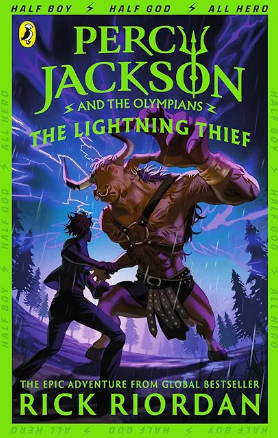
Book: Percy Jackson & the Olympians: The Lightning Thief by Rick Riordan
Movie: Percy Jackson & the Olympians: The Lightning Thief
The movie introduces the excitement of Greek mythology in a modern setting, often leaving kids curious about characters and adventures that feel rushed or incomplete. The book delivers what the film can’t: Percy’s funny, relatable voice and a stronger emotional connection. For many kids, reading becomes a way to experience the story properly, transforming curiosity into genuine reading motivation.
Book: The Borrowers by Mary Norton
Movie: The Secret World of Arrietty
This film’s tiny world is fascinating for kids, while the book rewards curiosity with more detail and depth – encouraging them to explore stories beyond what’s shown on screen.

Book: Inkheart by Cornelia Funke
Movie: Inkheart
The movie introduces the concept, but the book celebrates reading itself – often inspiring kids to see books as magical and important.

Book: Holes by Louis Sachar
Movie: Holes
The movie’s humour and mystery quickly draw kids in, making them eager to understand how all the pieces fit together. The book’s short chapters, clever structure, and deeper explanations reward that curiosity without overwhelming readers. Children who enjoy the film often feel proud discovering that reading unlocks more answers, backstory, and satisfaction – an excellent confidence-builder for developing readers.

Book: A Wrinkle in Time by Madeleine L’Engle
Movie: A Wrinkle in Time
The movie opens the door to big concepts; the book invites thoughtful readers to wrestle with ideas at their own pace – building reading stamina and confidence

Book: Harry Potter and the Sorcerer’s Stone by J.K. Rowling
Movie: Harry Potter and the Sorcerer’s Stone
The movie sparks instant curiosity by visually immersing children in Hogwarts, magical creatures, and wizarding rules. Once hooked, many kids want more details – classes, spells, friendships, and backstory – that only the book provides. Reading becomes a way to “go deeper” into a world they already love, making this an especially effective bridge for reluctant readers who benefit from visual context before tackling a longer novel.
arry Potter and the Sorcerer’s StoneThe movie sparks instant curiosity by visually immersing children in Hogwarts, magical creatures, and wizarding rules. Once hooked, many kids want more details – classes, spells, friendships, and backstory – that only the book provides. Reading becomes a way to “go deeper” into a world they already love, making this an especially effective bridge for reluctant readers who benefit from visual context before tackling a longer novel.


Comments